
The Sun-Powered Breeze: Maximizing Energy Efficiency with Solar-Charged Fans
author: Estrella Lin
2025-08-07
In an era where sustainable living and energy conservation are paramount, the humble fan, powered by the boundless energy of the sun, emerges as a beacon of innovation. As global temperatures rise and the demand for cooling solutions intensifies, the environmental and economic implications of traditional electricity-dependent cooling methods become increasingly apparent. Solar-powered fans offer a compelling alternative, harnessing renewable energy to provide comfort while significantly reducing carbon footprints and electricity bills. This article delves into the intricacies of solar-powered fans, exploring their energy utilization efficiency across various scenarios and highlighting how they are redefining sustainable cooling.

The Growing Imperative for Energy-Efficient Cooling
The escalating global demand for cooling systems, particularly in warmer climates, places immense pressure on existing energy infrastructures. Conventional cooling methods, predominantly air conditioners and electric fans, are heavily reliant on grid electricity, leading to increased utility costs and a substantial environmental impact. The industrial sector, for instance, accounts for a significant portion of national energy consumption, with a 2023 study by the U.S. Energy Information Administration indicating that it consumed 33% of total U.S. energy . This highlights the urgent need for more sustainable and efficient cooling solutions across all sectors.
Challenges Posed by Traditional Cooling:
•Increased Carbon Footprint: High electricity consumption directly correlates with a larger carbon footprint, especially when energy is generated from fossil fuels.
•Reliance on Fossil Fuels: The continued dependence on non-renewable energy sources for electricity generation contributes to environmental degradation and resource depletion.
•Accessibility in Remote Areas: Traditional cooling solutions are often impractical or unavailable in off-grid or remote locations lacking reliable electricity access.
It is noteworthy that approximately 10% of global electricity is consumed by cooling systems, underscoring the critical importance of transitioning towards more sustainable cooling practices for a greener future .
Understanding Solar-Powered Fans: A Sustainable Solution
Solar-powered fans are ingenious devices designed to operate using energy derived directly from sunlight. They are equipped with photovoltaic (PV) panels that convert solar radiation into direct current (DC) electricity, providing a clean and renewable power source for the fan motor. This inherent design allows them to function independently of the electrical grid, offering a reliable cooling solution wherever sunlight is available.
How Solar-Powered Fans Work:
1.Solar Energy Capture: PV panels on the fan capture sunlight and convert it into DC electricity.
2.Direct Operation: This electricity directly powers the fan motor, enabling operation without the need for external power sources.
3.Battery Backup (Optional): Many models incorporate battery storage, allowing the fan to continue operating during periods of low sunlight or at night, by drawing power from the stored energy.
Key Components of a Solar-Powered Fan System:
•Solar Panels: The primary component responsible for converting solar energy into usable electricity. Their efficiency directly impacts the fan's performance, especially in varying light conditions.
•Fan Unit: The core cooling mechanism, designed for efficient airflow.
•Battery Backup: An optional but highly beneficial component that stores excess solar energy for later use, ensuring continuous operation.
Energy Utilization Efficiency in Diverse Scenarios
The energy utilization efficiency of solar-powered fans varies significantly depending on several factors, including the intensity of sunlight, the capacity and efficiency of the solar panel, the presence and size of a battery backup, and the fan's power consumption.
1. Direct Sunlight Operation:
In direct sunlight, solar-powered fans achieve their highest energy efficiency. The PV panels continuously convert solar energy into electricity, directly powering the fan. The efficiency of the solar panel (typically ranging from 15% to 23% for consumer-grade panels) plays a crucial role here. For instance, a 50W fan operating under optimal sunlight conditions with a 23% efficient solar panel would require approximately 870 Wh (or 0.87 kWh) of solar energy to run for a certain duration [3]. This scenario offers maximum energy savings as there is no reliance on grid electricity and minimal energy loss during conversion.
2. Cloudy Days and Low Light Conditions:
On cloudy days or in low-light conditions, the performance of solar panels decreases, leading to reduced power output. High-efficiency solar panels are better equipped to capture diffuse sunlight, but the fan's operation might be intermittent or at a lower speed if there's no battery backup. This is where the importance of a battery backup becomes evident. A fully charged battery can compensate for the reduced solar input, ensuring continuous operation. However, the efficiency of energy transfer from the solar panel to the battery and then to the fan introduces some losses.
3. Nighttime Operation and Battery Backup:
For nighttime operation, a battery backup is essential. During the day, any excess energy generated by the solar panel is stored in the battery. At night, the fan draws power from this stored energy. The efficiency of this process depends on the battery's charge-discharge efficiency and its capacity. While providing uninterrupted cooling, this scenario involves energy losses during the charging and discharging cycles of the battery. For example, if a solar panel charges a battery at 60% efficiency, it would take roughly 16 hours to fully charge the battery, or 8 hours if the panel is 12V .
4. Varying Fan Speeds and Power Consumption:
The energy consumption of the fan itself also impacts overall efficiency. A typical fan's average hourly electricity consumption is around 0.0393 kWh at high speeds and 0.0069 kWh at moderate speeds [5]. Solar-powered fans with adjustable speed settings allow users to optimize energy usage based on cooling needs, further enhancing efficiency. Running the fan at lower speeds conserves battery life and extends operation during periods of limited sunlight.
Benefits of Solar-Powered Fans Beyond Energy Efficiency
Beyond their impressive energy utilization, solar-powered fans offer a multitude of advantages that make them a superior choice for modern cooling needs:
•Eco-Friendly Cooling: By utilizing renewable solar energy, these fans significantly reduce dependence on fossil fuels and contribute to zero emissions, fostering a cleaner environment.
•Cost Savings: After the initial investment, solar-powered fans eliminate electricity costs associated with cooling, leading to substantial long-term savings on energy bills.
•Portability and Versatility: Their lightweight and often compact designs make them ideal for outdoor activities like camping, hiking, and picnics. They are also invaluable in off-grid locations or during power outages, providing essential cooling where traditional power sources are unavailable.
•Durability and Low Maintenance: Designed to withstand outdoor conditions, many solar-powered fans are built with weather-resistant materials. Regular cleaning of fan blades and solar panels, along with proper battery care, ensures efficient operation for years.
Conclusion: Embracing a Sustainable Cooling Future
Solar-powered fans are more than just a practical cooling solution; they represent a significant stride towards a sustainable future. Their ability to harness clean, renewable energy from the sun, coupled with their efficiency in diverse operating conditions, makes them an increasingly attractive option for residential, commercial, and industrial applications. As technology continues to advance, solar-powered fans will become even more efficient, affordable, and versatile, playing a pivotal role in reducing global energy consumption and mitigating climate change. Embracing this innovative technology is not just about staying cool; it's about making a conscious choice for a healthier planet and a more sustainable way of life.
The Evolving Landscape of Battery Technology: Lead-Acid, Lithium-Ion, and Lithium Polymer
Navigating the Global Power Landscape: Your Fan Factory's Comprehensive Plug Solutions
Related Article

Rechargeable fans and AC fans each have their own advantages. AC fans are ideal for continuous, stable cooling, while rechargeable fans offer greater energy efficiency, portability, and flexibility.
Rechargeable Fan vs. AC Fan: A Smarter Look at Energy Consumption

Did you know that a rechargeable fan can still lose power even when it is not being used?
Lithium batteries naturally discharge over time, so leaving your fan unused for months may result in a very low battery level. To help maintain battery performance, check the battery regularly and recharge the fan approximately every 3 months.
A simple charging habit can help protect your battery and keep your fan ready whenever you need it.
Lithium batteries naturally discharge over time, so leaving your fan unused for months may result in a very low battery level. To help maintain battery performance, check the battery regularly and recharge the fan approximately every 3 months.
A simple charging habit can help protect your battery and keep your fan ready whenever you need it.
Hidden Charging Tips You Should Know About Rechargeable Fans
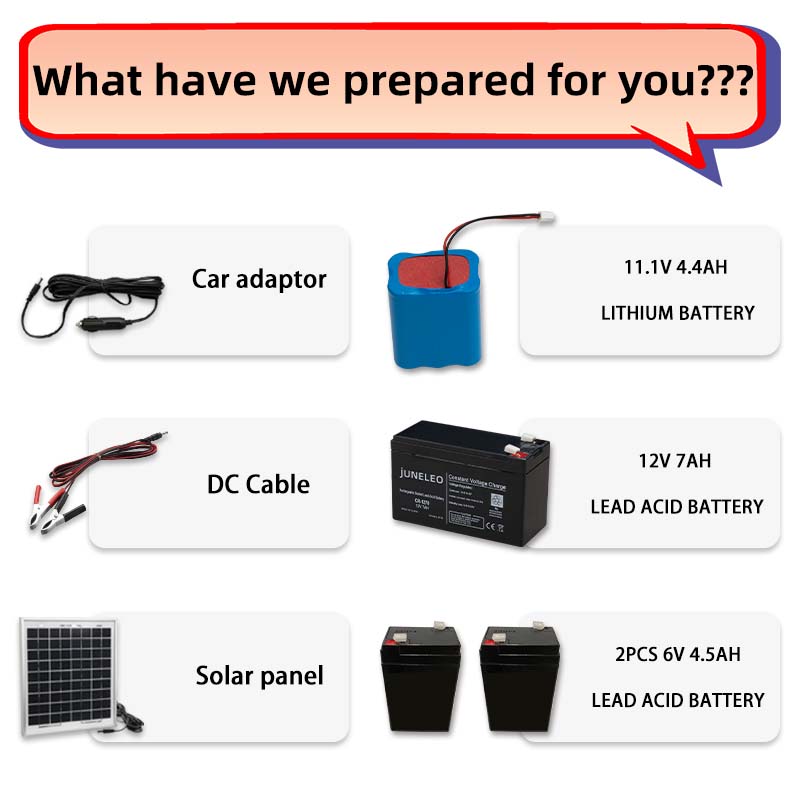
This article explores the current status and future of lead-acid, lithium-ion, and lithium polymer battery technologies.
The Evolving Landscape of Battery Technology: Lead-Acid, Lithium-Ion, and Lithium Polymer

There are significant differences in plug standards in different countries due to historical development and different safety specifications. The main types include the two round feet design (220-240V) of European standard (C/F/E type), the two flat feet (120V) of American standard (A/B type), the triangular arrangement of three flat feet (220-240V) of British standard (G type).
Navigating the Global Power Landscape: Your Fan Factory's Comprehensive Plug Solutions